Adventure at 30,000 Feet: Pocket-Sized Print-and-Play Dungeons
Packing Light, Playing Deep
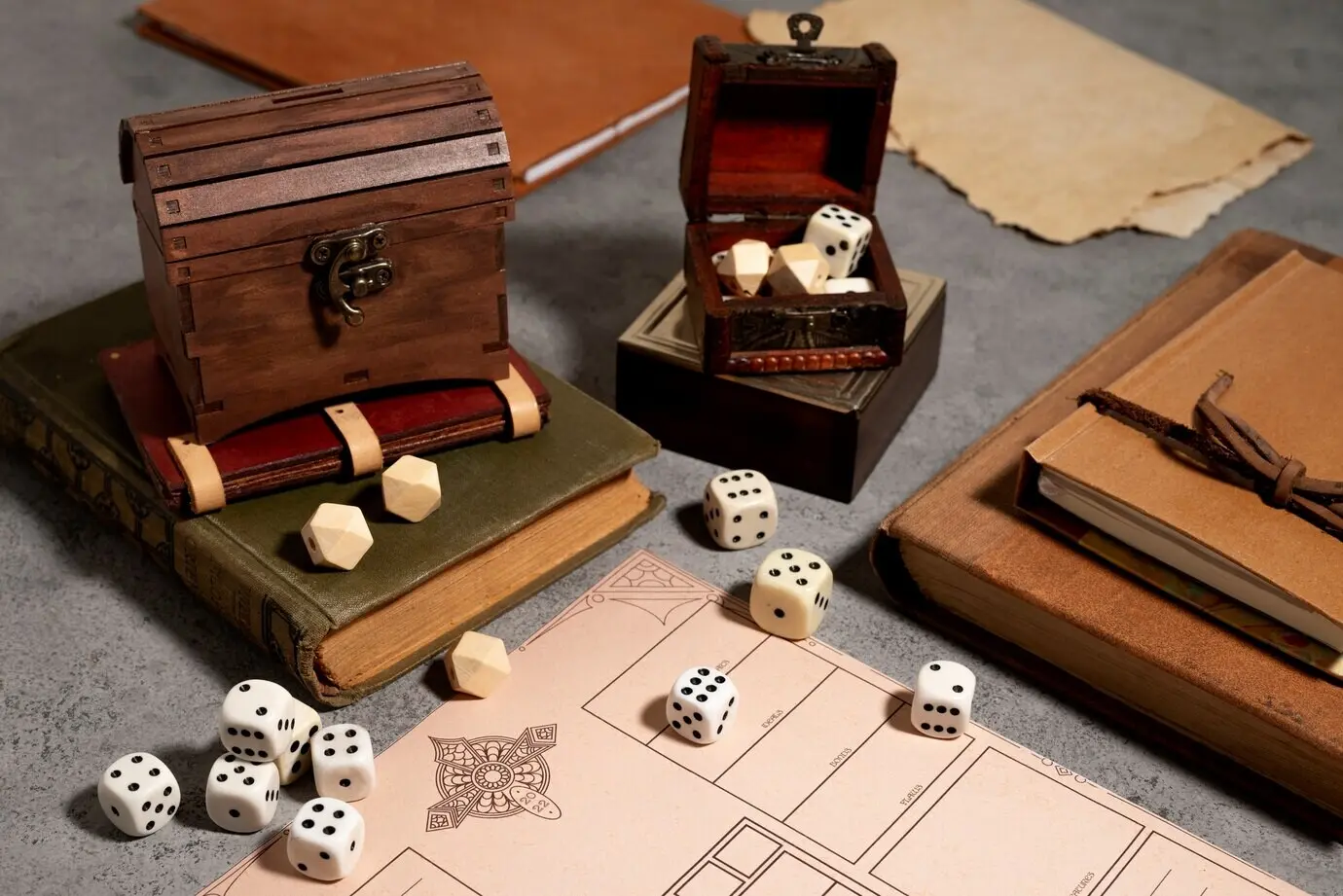
Designing Encounters That Fit a Tray Table
Solo Journeys and Quiet Co-op
Meditative Solo Flow
Design turns as gentle loops: perceive, decide, mark, breathe, proceed. Keep consequences legible and immediate, so focus anchors on the page instead of anxieties beyond the window. Include restorative milestones—safe alcoves, friendly spirits, hot tea scribbles—that reward steadiness over risk. When turbulence spikes, your loop continues, a small ritual that restores calm. Many players report finishing refreshed, as if the dungeon reorganized swirling thoughts into purposeful, navigable corridors leading them softly toward landing.
Two-Player Without Table Talk
Let cooperation bloom through written cues and simple signals. One player explores; the other tracks resources and reveals secrets when certain symbols appear. Swap roles at each landmark or after a rest. Use eye contact, a nod, or a pen tap to confirm choices, keeping voices low. This shared silence feels conspiratorial and kind, like sneaking through moonlit halls. Your row becomes a tiny fellowship, considerate of neighbors yet fully invested in the unfolding peril.
Accessibility Considerations
Cabins can be dim and cramped, so favor large fonts, heavy lines, and colorblind-safe palettes that remain readable in warm LED light. Include icon labels and patterns for redundant clarity. Provide alternate randomizers for limited dexterity, and avoid tiny tokens. Consider rests after dense text, and summarize procedures in short, bold headers. If ear pressure or motion discomfort rises, the game should pause elegantly, resume cleanly, and never punish players for caring for their bodies first.
Printing Tips Before You Board
Ink and Paper Choices
Use 90–120 gsm for sturdy maps, or step up to 160 gsm for tiles you handle repeatedly. Black-and-white designs stretch cartridges and improve contrast in cabin lighting. Avoid edge-to-edge flooding; let white space breathe for readability and quick scanning. If your printer tends to misalign duplex pages, switch to single-sided with purposeful folds. The goal is tactile satisfaction, clean erasures, and a sheet that feels trustworthy the moment the seatbelt sign chimes off.
Cutting and Storage
Do all cutting at home with a safe ruler and craft knife, then round sharp corners to prevent snags in a slim wallet. Sort pieces into a labeled envelope or passport sleeve, and store the pencil inside a folded micro notepad. Keep everything flat to avoid curling during the cabin’s dry air. With components consolidated, security is smooth, boarding is effortless, and your tray setup takes seconds rather than minutes when the aisle finally clears.
Narrative Hooks for Skybound Quests
Time-Boxed Missions
Atmosphere and Soundless Immersion
Memorable Rewards and Progression
Download and Print Packs
Share Your Flight Logs
Suggest New Challenges
All Rights Reserved.